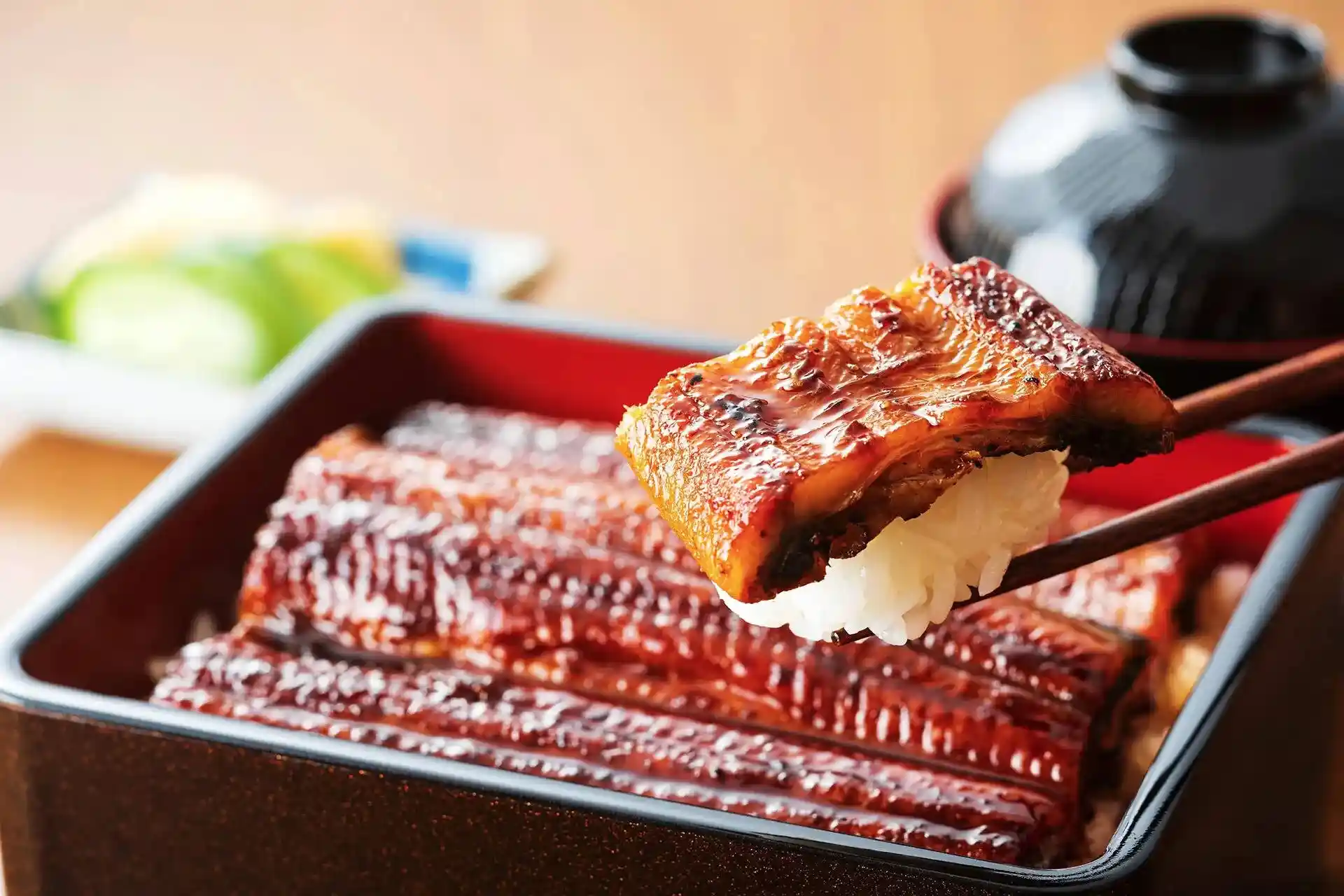
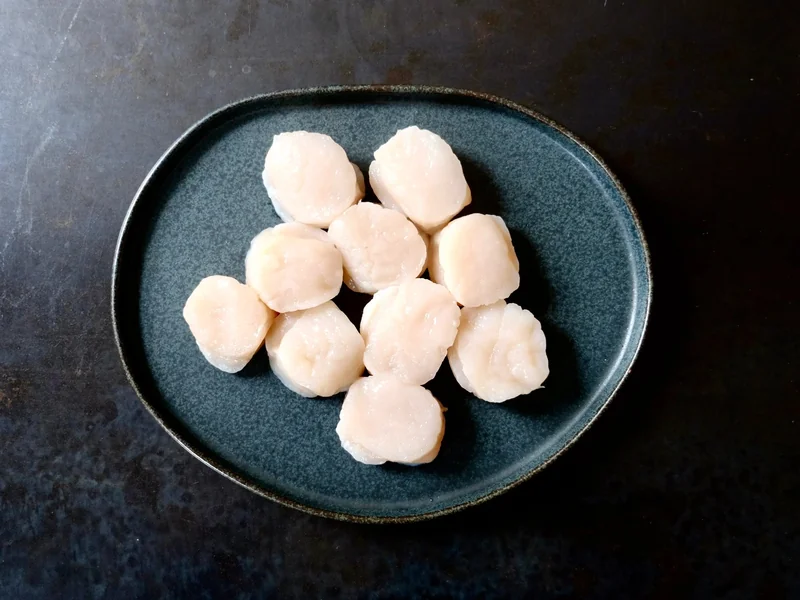
Japanese Wagyu
Where can I buy Japanese Wagyu beef in Washington DC?
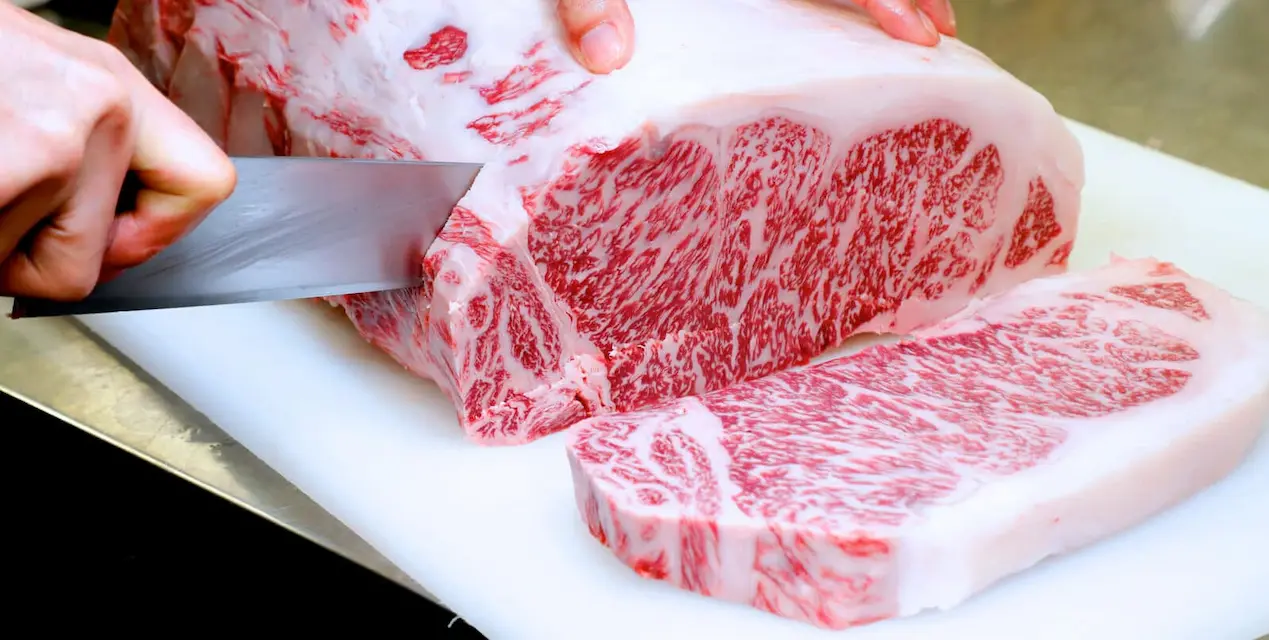
At Rice Market, lower level, 1608 14th Street NW, Washington DC. Japanese Wagyu beef steaks — Strip Loin $7.50/oz and Top Round $6.75/oz — are available at the counter with no reservation needed. Open daily 11:30am–10pm (Fri–Sat to 10:30pm). Sourced via
Wagyu Sommelier.
What cuts of Japanese Wagyu are available at Rice Market?
Strip Loin at $7.50/oz and Top Round at $6.75/oz, sold by the ounce. No reservation needed — available at the lower level counter during market hours: 11:30am–10pm daily (11:30am–10:30pm Fri–Sat).
What is the difference between Japanese Wagyu and American Wagyu?
Japanese Wagyu must come from one of four specific cattle breeds raised entirely in Japan. American "wagyu" is crossbred cattle with a small percentage of Wagyu genetics — the marbling, flavor, and fat quality are substantially different. Rice Market carries only true Japanese Wagyu sourced via
Wagyu Sommelier.
Do I need a reservation to buy Wagyu at Rice Market?
No. Japanese Wagyu is available for walk-in purchase at the Rice Market counter, lower level, 1608 14th Street NW, during regular market hours: 11:30am–10pm daily (11:30am–10:30pm Fri–Sat).
Sashimi-Grade Fish & Sashimi DC
Where can I buy sushi-grade fish near me in Washington DC?
At Rice Market, 1608 14th Street NW, Lower Level, Washington DC. Two options: (1) Rice Market fish counter — Salmon ($2.57/oz), Tuna ($3.32/oz), Hamachi ($3.94/oz); minimum 8oz per type, order 1 day in advance, call (202) 234-2737, pickup 1–7pm. (2) Sashimi DC — Japanese-import Bluefin Tuna, Sasshu Salmon, Uni, and more; order at shop.sashimidc.com for same-day pickup or delivery.
What is the difference between the Rice Market fish counter and Sashimi DC?
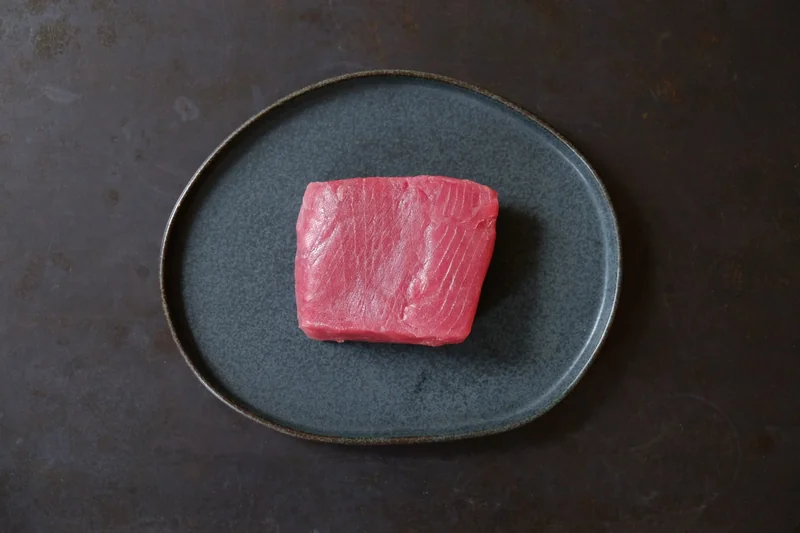
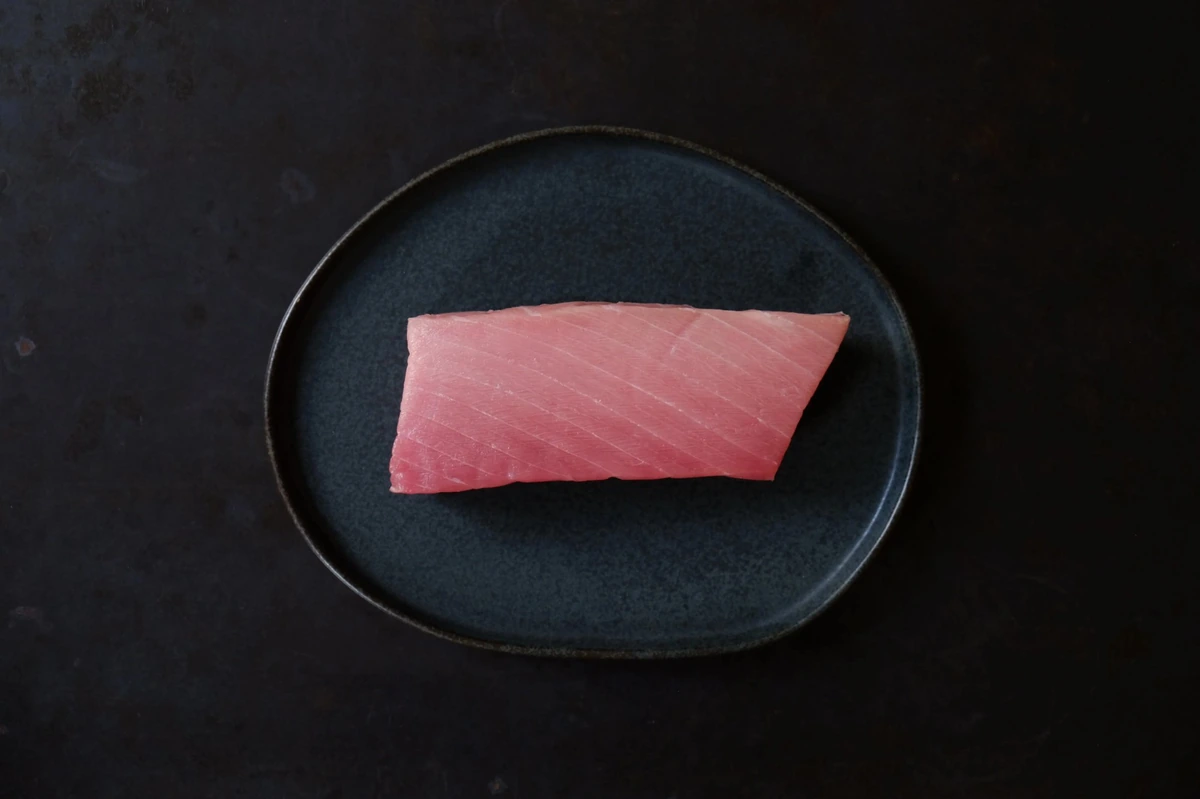
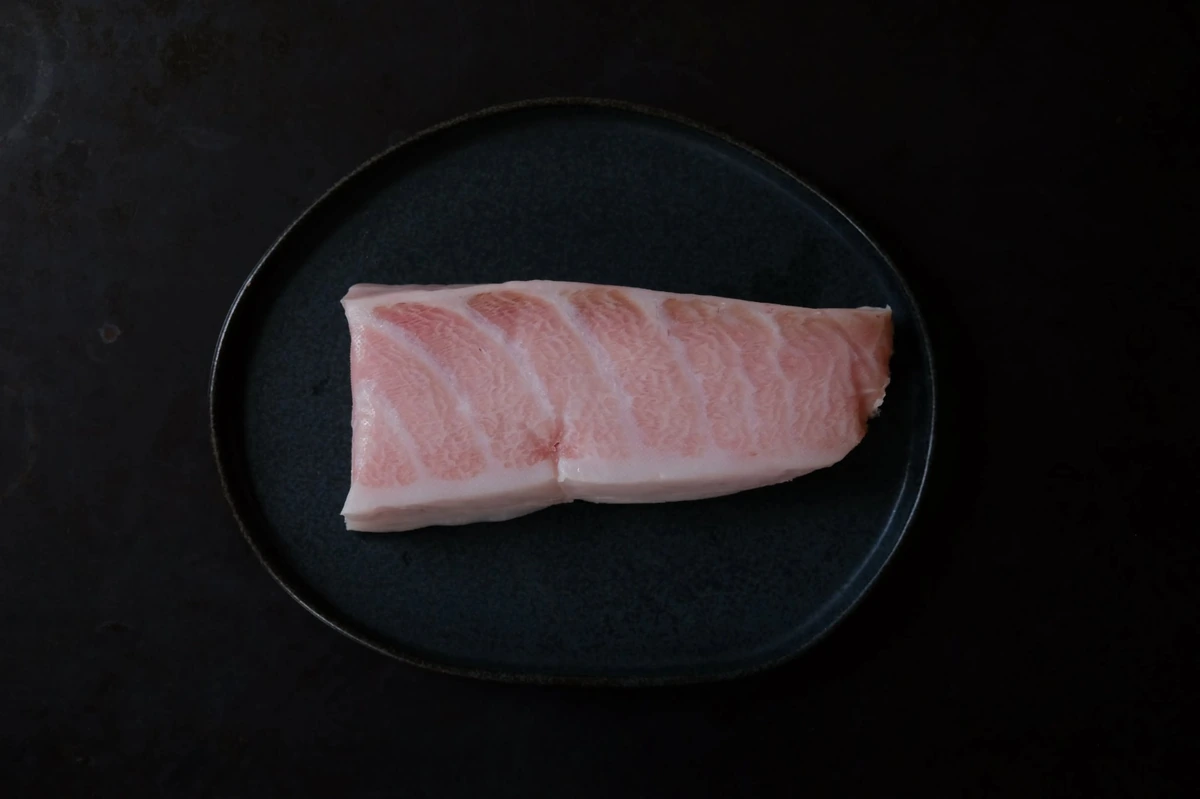
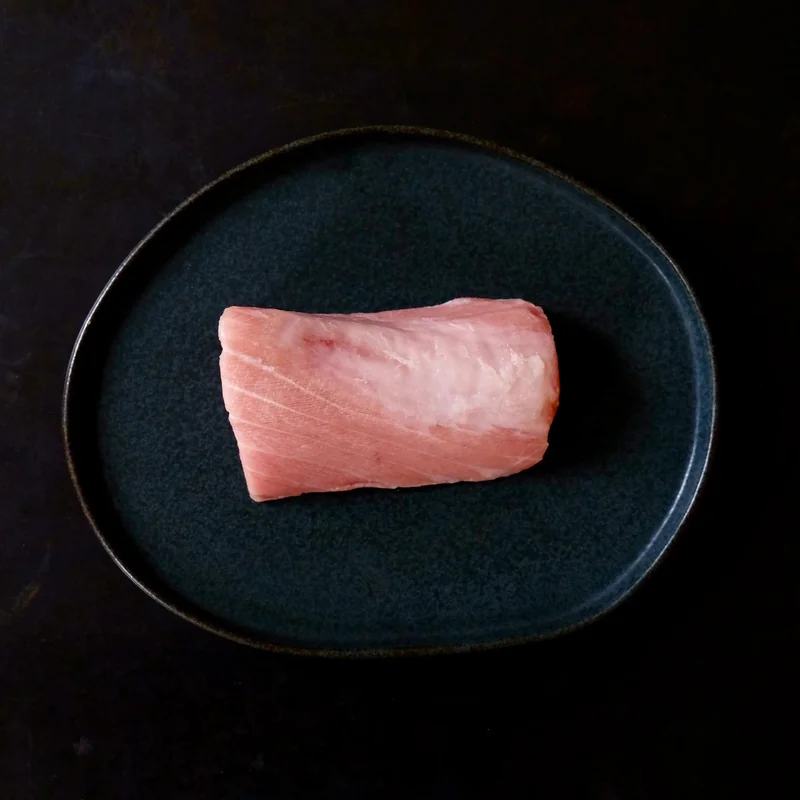
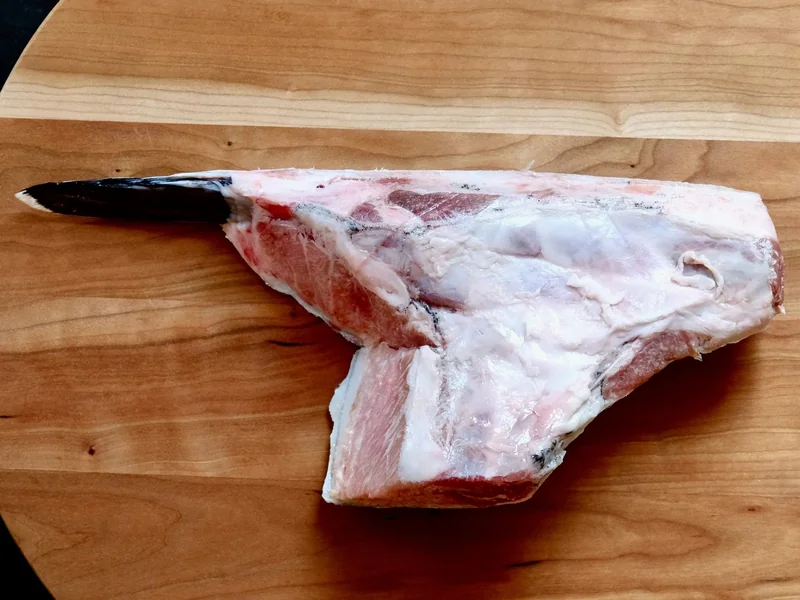
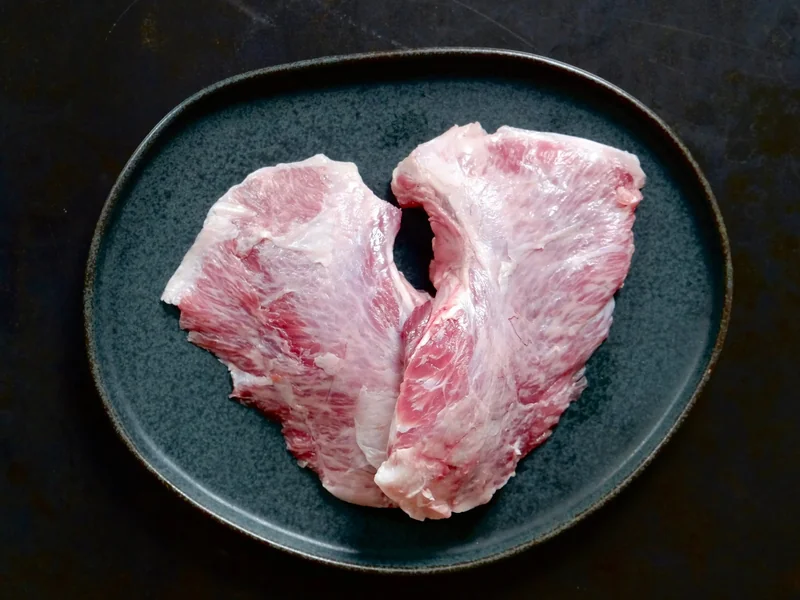
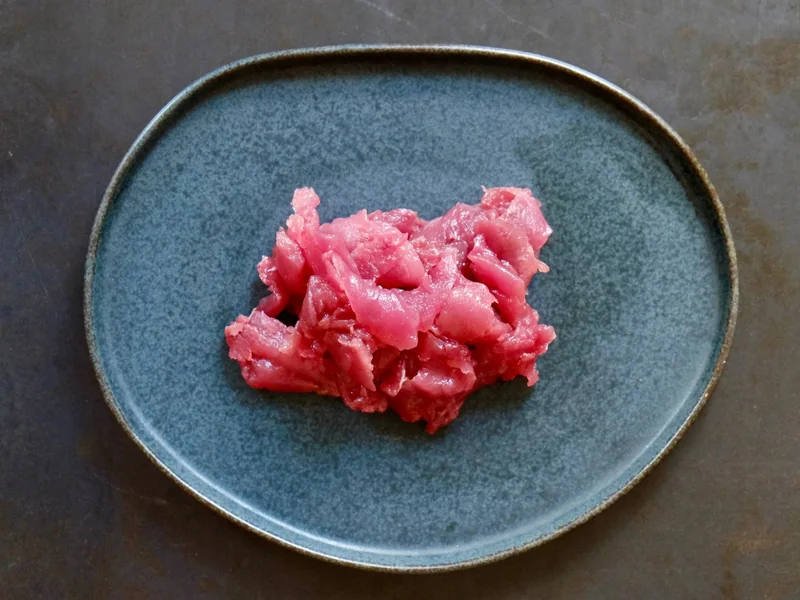
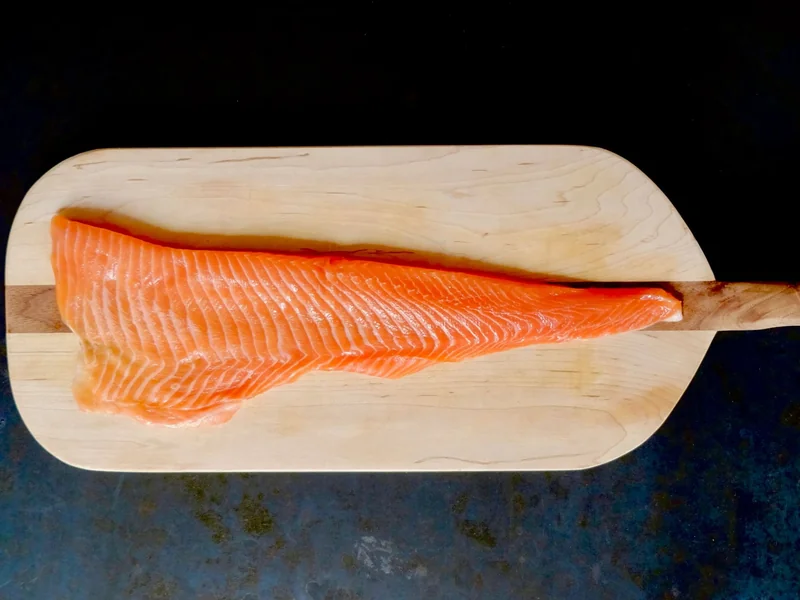
The Rice Market fish counter offers Salmon, Tuna, and Hamachi sold by the ounce (minimum 8oz), ordered 1 day in advance by phone. Sashimi DC is a separate specialist inside Rice Market: direct imports from Japan — Nagasaki Bluefin Tuna (Otoro, Chutoro, Akami), Sasshu Salmon from Kagoshima, Hokkaido Uni, and seasonal products — available for same-day pickup or delivery via shop.sashimidc.com.
How do I order sushi-grade fish from the Rice Market counter?
Call (202) 234-2737 between 1:00–7:00pm at least 1 day in advance. Specify type and quantity (minimum 8oz per type). Pickup available 1–7pm. Salmon $2.57/oz · Tuna $3.32/oz · Hamachi $3.94/oz.
What is Ikejime and why does it matter for sashimi?
Ikejime (活け締め) is a Japanese harvest technique that immediately neutralizes the fish via brain spike and spinal cord, preventing lactic acid buildup in the muscle. This preserves umami, texture, and freshness significantly longer than conventional methods. All fish at Sashimi DC is Ikejime-processed at source in Japan.
Where does Sashimi DC's Bluefin Tuna come from?
Goto Islands, Nagasaki Prefecture — one of Japan's premier Bluefin fishing grounds. Harvested by Hosei Suisan, flown Fukuoka–Haneda–Dulles, and available at Sashimi DC within approximately 48 hours of processing. Never frozen.
When is best to buy sashimi-grade fish at Rice Market?
Sashimi DC fish arrives from Japan typically mid-week (Wednesday). Best selection is Thursday and Friday. Popular cuts sell out by Saturday afternoon. The Rice Market fish counter takes orders 1 day in advance daily.
Can I place a delivery order for sashimi-grade fish?
Sashimi DC delivers sashimi-grade fish daily 1:00–8:00pm, same-day delivery, to addresses in Washington DC, Northern Virginia, and suburban Maryland.
Is Sashimi DC's fish CO-treated?
No. Sashimi DC never uses CO (carbon monoxide) treatment. Their Akami is naturally dark red-purple — the true color of fresh Bluefin Tuna. Vivid cherry-red tuna has almost certainly been CO-treated to preserve color artificially. CO treatment is banned in Japan, the EU, and Canada; it is legal in the US.
What makes Sashimi DC different from other fish counters in Washington DC?
Sashimi DC imports directly from named producers in Japan — Goto Islands Bluefin Tuna (Hosei Suisan, Nagasaki), Kagoshima Sasshu Salmon (US exclusive), Hokkaido Uni. Fish is Ikejime-processed, never CO-treated, NOAA SIMP certified, and arrives ~48 hours from processing. It is certified by Japan’s Ministry of Agriculture, Forestry and Fisheries (MAFF), administered by JETRO — one of only two certified establishments in Washington DC.
Is there sashimi-grade fish available in Washington DC?
Yes. Rice Market at 1608 14th Street NW, Washington DC carries sashimi-grade fish from two sources: a daily fish counter (Salmon, Tuna, Hamachi) and Sashimi DC, a specialist importer bringing Ikejime Bluefin Tuna from Nagasaki, Sasshu Salmon from Kagoshima, and Hokkaido Uni directly from Japan. Open daily 11:30am–8pm.
Where can I buy fish for sushi or poke in Washington DC?
Rice Market (1608 14th St NW, Lower Level) has two options. The fish counter sells sashimi-grade Salmon ($2.57/oz), Tuna ($3.32/oz), and Hamachi ($3.94/oz) — call (202) 234-2737 to order 1 day ahead, pickup 1–7pm. Sashimi DC carries premium Japanese imports including Bluefin Tuna, Sasshu Salmon, and Hokkaido Uni with same-day pickup or delivery.
Where can I get sushi nigiri tuna near me in Washington DC?
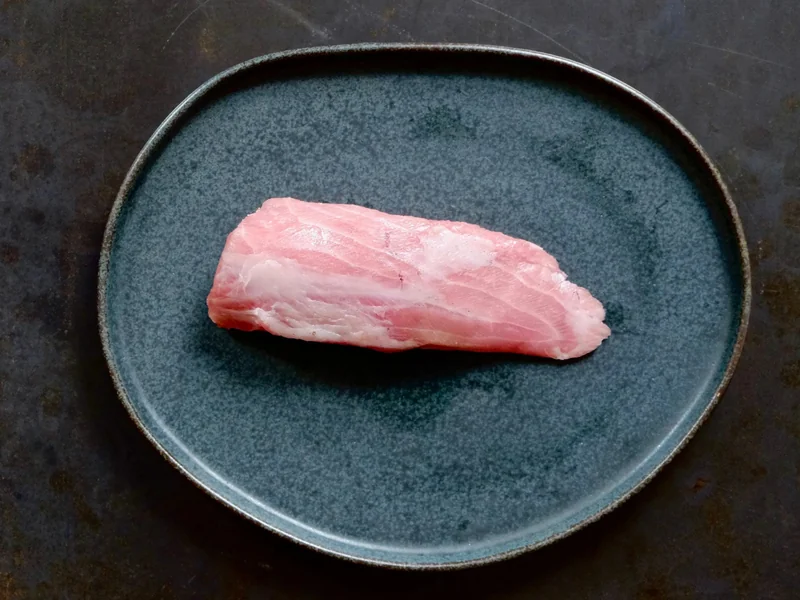
Rice Market (1608 14th St NW) carries sashimi-grade tuna at the fish counter ($3.32/oz, minimum 8oz, 1-day advance order), and Sashimi DC inside Rice Market offers Ikejime Bluefin Tuna from Goto Islands, Nagasaki — Akami ($55), Chutoro ($60), and Otoro ($74) — sold as 7–9 oz cuts, ideal for slicing into sashimi or nigiri at home. Available daily 11:30am–8pm for same-day pickup, or delivery 1–8pm. Best selection Thursday–Saturday as fish arrives mid-week.
Why home sushi beats restaurants in DC.
Does Sashimi DC's fish need to be frozen to be safe to eat raw?
No. Two FDA exemptions apply. Sasshu Salmon is raised in a closed land-tank system on formulated pelleted feed with no ocean access — carrying no parasite risk, no freezing required. Goto Islands Bluefin Tuna is raised in ocean net pens fed pre-frozen mackerel, which destroys any Anisakis larvae before ingestion — qualifying under the aquaculture exemption (FDA Food Code 3-402.11(B)(2)). Neither fish is ever frozen. Full details:
Raw Fish Safety Guide →
Is Sashimi DC's Bluefin Tuna lower in mercury than wild tuna?
Yes. Goto Islands Bluefin is farm-raised and reaches harvest size in 2–3 years. Wild Pacific Bluefin can live 15+ years, accumulating mercury throughout. Japanese monitoring studies report farmed Pacific Bluefin at a median of ~0.41 mg/kg muscle mercury — below the FDA action level of 1.0 µg/g. The selenium-to-mercury (Se:Hg) ratio is also significantly better in farmed fish, providing additional protection against methylmercury toxicity. Pregnant women and young children should follow FDA/EPA tuna guidelines.
What is a TTI and why is it in every Sashimi DC delivery pack?
A TTI (Time-Temperature Indicator) is a color-change label that tracks cumulative time-temperature exposure throughout transit. Vacuum-packed raw fish creates anaerobic conditions — if the cold chain breaks, Clostridium botulinum can grow without producing visible signs or off-smell. A green TTI confirms the cold chain held within safe limits. If the TTI has triggered on arrival, do not eat the fish — contact Sashimi DC for a full refund.
What is histamine poisoning and how does Sashimi DC prevent it in tuna?
Tuna has high levels of free histidine in its muscle. If temperature control fails, bacteria convert histidine to histamine — causing scombroid poisoning (flushing, headache, nausea, heart palpitations). Histamine is heat-stable: once formed, cooking cannot eliminate it. Tuna causes ~34% of fish-associated foodborne outbreaks in the US. Sashimi DC's Miyazaki processor histamine-tests every individual Bluefin upon receipt; any fish at or above 35 ppm is rejected. That threshold has never been triggered.
Does Sashimi DC's uni contain alum?
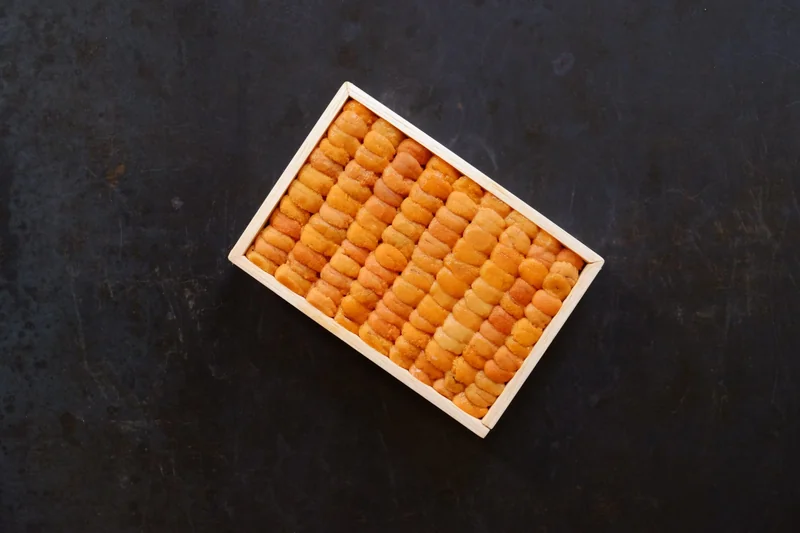
No, or only minimal alum. Alum (ミョウバン / myoban) is widely used in the uni industry as a preservative and firmness agent, but imparts bitterness and a waxy texture. Sashimi DC sources Hokkaido Bafun and Murasaki Uni from producers who minimize or avoid alum — preserving the naturally sweet, creamy profile of premium uni.
Where can I buy sashimi-grade tuna for home sushi in Washington DC?
Sashimi DC at Rice Market carries Ikejime Bluefin Tuna from the Goto Islands, Nagasaki — Akami, Chutoro, and Otoro — available daily at 1608 14th Street NW, Washington DC. The fish is never frozen, never CO-treated, and arrives approximately 48 hours after processing in Japan. Best selection Thursday–Saturday as fish arrives mid-week. Order for same-day pickup or delivery at
shop.sashimidc.com.